Working on a kiwi fruit farm in New Zealand is a unique and memorable experience that combines hard physical work with the beauty of nature. The kiwi fruit industry plays an important role in the country’s economy, and it attracts thousands of workers every year, including local residents and international visitors.
Many people join this type of work through seasonal jobs or working holiday programs. Although the job can be challenging, it also offers valuable life experiences, opportunities to meet new people, and a chance to enjoy a simple lifestyle close to nature.
Contents
Early Morning Start
A typical day for a kiwi farm worker begins very early in the morning. Most workers wake up between 5:00 and 6:00 a.m., while it is still dark or just before sunrise. The early start is necessary because farm work depends heavily on weather conditions. In warmer months, especially during the harvest season, temperatures can rise quickly during the day. By starting early, workers can complete a significant portion of their tasks before the heat becomes too intense. After waking up, workers usually begin their day with a simple but nutritious breakfast.
This may include toast, eggs, cereal, fruit, or oatmeal, along with coffee or tea. Since the work requires a lot of physical energy, breakfast is very important. Some workers also prepare snacks to bring with them, such as sandwiches, fruit, or energy bars. These small preparations help them stay energized throughout the long working hours.
Preparing for Work
Before leaving for the orchard, workers carefully prepare their clothing and equipment. Because the job is done outdoors, they need to dress appropriately for different weather conditions. Most workers wear long-sleeved shirts to protect their skin from the sun, along with long pants, hats, and sunglasses. Gloves are also commonly used to protect their hands while picking fruit or handling equipment.
In addition, workers often apply sunscreen to prevent sunburn, especially during summer. They also bring large water bottles to stay hydrated throughout the day. Dehydration can be a serious issue in physically demanding jobs, so drinking enough water is essential. Many workers pack their lunch and snacks in advance, placing them in small bags or containers to bring to the orchard.
Journey to the Orchard
The journey to the kiwi orchard is another part of the daily routine. Depending on where workers live, the travel time can vary from a few minutes to over an hour. Some workers drive their own vehicles, while others share rides with coworkers to save money. In some cases, employers provide transportation, especially for seasonal or international workers.
The trip to the orchard often offers beautiful scenery. Workers may pass through rolling hills, green fields, and quiet rural roads. This peaceful environment is one of the reasons why many people enjoy working in agriculture in New Zealand. Unlike busy cities, the countryside provides a calm and refreshing atmosphere that helps workers start their day with a positive mindset.
Morning Work Activities
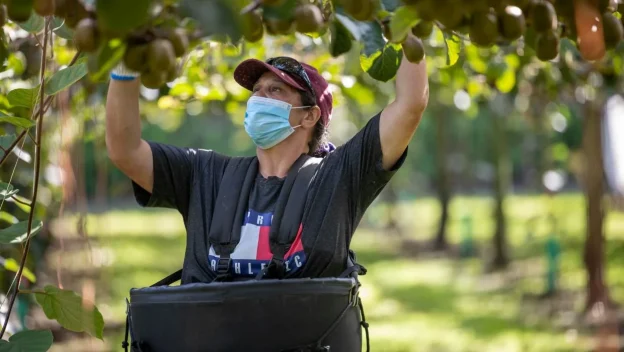
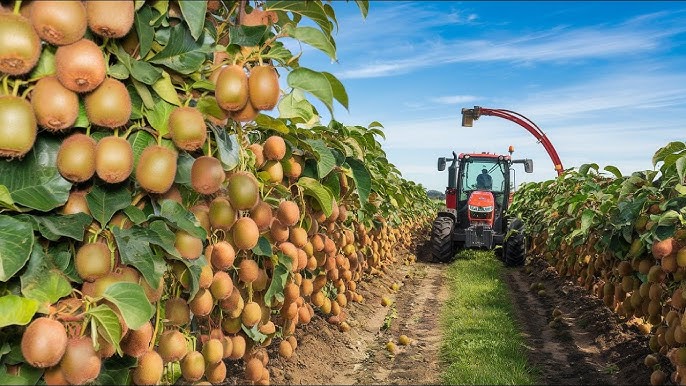
Once workers arrive at the orchard, they gather in a designated meeting area. A supervisor or team leader gives instructions for the day, including the tasks that need to be completed and any important safety guidelines. Safety is taken seriously, so workers are reminded to handle tools carefully, use ladders properly, and be aware of their surroundings. During the harvest season, the main task is picking kiwi fruit. Kiwi fruits grow on vines supported by wooden or metal frames, forming long rows across the orchard. Workers move along these rows, carefully selecting ripe fruit. Each kiwi must be picked gently to avoid bruising or damaging it.
The fruit is then placed into picking bags that workers wear around their waist or shoulders. The work requires both speed and attention to detail. In many cases, workers are paid based on how much fruit they pick, which encourages them to work quickly. However, they must also maintain quality by selecting only the right fruit and handling it properly. This balance between speed and care is one of the most important aspects of the job.
The physical nature of the work can be challenging. Workers spend hours standing, bending, reaching, and walking. Carrying full picking bags can also be heavy. Despite this, many workers enjoy the activity because it keeps them physically active and allows them to work outdoors rather than being confined to an office.
Lunch Break
Around midday, workers take a break to rest and eat lunch. This usually happens between 12:00 and 1:00 p.m., depending on the schedule and weather conditions. Lunch breaks are essential because they give workers time to recover from the physical effort of the morning. Workers often sit together in shaded areas, such as under trees or near storage sheds. They eat meals they have brought from home, which may include rice, sandwiches, noodles, or salads.
Drinking water is very important during this time to stay hydrated. Lunch breaks are also a social moment. Many workers come from different countries, so conversations can include sharing stories, cultures, and experiences. This creates a friendly and supportive environment where workers can build friendships and enjoy their time together.
Afternoon Work
After lunch, workers return to their tasks. The afternoon shift can feel more tiring because the body has already been active for several hours. However, workers continue picking fruit or performing other duties such as sorting, packing, pruning, or maintaining the orchard. Weather conditions play a significant role in the afternoon. On hot days, the work can become more difficult, so workers must pace themselves and take short breaks when needed.
On cooler or cloudy days, the work may feel easier and more comfortable. Supervisors often monitor progress and provide guidance to ensure that the work is done efficiently. Teamwork is important, as workers help each other and maintain a steady pace. In some orchards, music may be played to create a more enjoyable working atmosphere.
End of the Workday
The workday usually ends between 3:00 and 5:00 p.m., depending on the workload and weather conditions. At the end of the day, workers return their equipment, clean their tools, and prepare to leave the orchard. Many feel physically tired, but there is also a sense of achievement after completing a full day of hard work.
The amount of work completed during the day can affect the workers’ earnings, especially if they are paid based on productivity. This motivates many workers to stay focused and work efficiently throughout the day.
Evening Activities and Rest
After returning home, workers focus on rest and recovery. Most people take a shower to clean off dirt and sweat, then relax for a while. Some cook dinner, while others eat simple meals or share food with roommates. Evenings can also be a time for social activities. Workers living together often talk, watch movies, or play games. These moments help them relax and build friendships.
For international workers, this is also a chance to practice English and learn more about different cultures. On days off, workers may explore nearby towns, visit beaches, or go hiking. New Zealand is known for its natural beauty, so many workers take advantage of their free time to travel and enjoy the environment.
Challenges of the Job
Despite its benefits, working on a kiwi farm comes with several challenges. The physical demands can be exhausting, especially for those who are not used to manual labor. Workers may experience muscle soreness, fatigue, and occasional injuries if they are not careful. Weather conditions can also affect the job. Rain can stop work completely, while extreme heat can make it uncomfortable and difficult to continue.
Recomended for you :
In addition, income can vary depending on the availability of work and the worker’s productivity. Another challenge is being away from home, especially for international workers. They may feel homesick or struggle to adapt to a new environment and culture. However, many overcome these challenges by building friendships and staying positive.
Conclusion
A day in the life of a kiwi farm worker in New Zealand is filled with hard work, discipline, and meaningful experiences. From the early morning start to the end of the day, workers engage in tasks that require physical strength, focus, and teamwork. Although the job can be demanding, it also offers opportunities for personal growth, cultural exchange, and connection with nature.
For many people, working on a kiwi farm is more than just a job. It is a chance to learn new skills, meet people from around the world, and experience a different way of life. The combination of hard work and natural beauty makes this experience truly unforgettable.